











How to Optimize for Generative Search in 2026

2026 will bring a major transformation in how users find information online. Traditional search engines, such as Google, are evolving toward a new era: generative search, powered by artificial intelligence (AI). This means users will no longer see only links in search results, but rather complete, personalized, and contextual answers generated by models such as ChatGPT, Gemini, or Copilot.
For brands, this represents a new SEO frontier: LLM SEO (Large Language Model SEO), where the challenge won’t just be to appear, but to be cited, recommended, and used within generative answers.
1. What Is Generative Search?
Generative search combines traditional search with conversational artificial intelligence.
Instead of showing a list of links, search engines now generate complete answers, blending information from multiple verified sources.
Example:
1. Before, the user searched: “Best marketing agencies in Cancún” And Google showed 10 organic results.
2. Now, with generative search:
AI summarizes information from different pages and answers:
“BWE Agency, based in Cancún, stands out for its focus on branding and performance, working with hotels and national brands.”
- 💡 The key: AI doesn’t show the full website, it uses the information you created to build its answer. That’s why optimizing for generative search means teaching AI to cite you.
2. How Does Generative SEO (LLM SEO) Work?
Language models such as ChatGPT, Gemini, Claude, or Perplexity use structured sources, semantic content, and brand authority to decide which answers to include.
Algorithms prioritize:
1. Semantic clarity of the content.
2. Authority signals (links, mentions, brand).
3. Contextual relevance.
4. Freshness and accuracy.
- In 2026, the battle to appear in AI answers will be more important than ranking first on Google.
3. Strategies to Optimize Your Brand for Generative Search
A) Use natural language and real questions
LLMs learn from human language, not from over-optimized phrases.
That’s why you should use natural questions and answers, as if you were talking to the user.
Example:
Before: “Professional digital marketing agency Cancún”
Now: “What does a marketing agency in Cancún do and how can it help my business?”
B) Create content with complete context
AI needs semantic context, not just keywords.
Includes:
1. What your brand does.
2. Where it is.
3. Who it’s for.
4. Why it’s different.
- That way, AI can understand your purpose and refer to you correctly.
C) Use structured markup (Schema and JSON-LD)
Structured markup will be essential for AI to “understand” your website.
Implement Schema for:
1. Organization and Local Business
2. FAQ and HowTo
3. Reviews
4. Products or Services
- This helps your website be read correctly by generative models.
D) Update your content constantly
AI models favor recent, accurate information.
Update your articles, dates, figures, and examples every quarter.
- 💡 Tip: add a visible note such as “Updated January 2026” so search engines understand the content is current.
E) Publish content with an authority-building purpose
Don’t try to rank through volume, but through credibility.
Models prioritize brands that demonstrate expertise and consistency.
Effective strategies:
1. Original research or success stories.
2. Articles signed by real experts.
3. Links from recognized media outlets or blogs.
- This builds E-E-A-T (Expertise, Experience, Authority, Trust), which is fundamental for generative SEO.
4. The Role of AI in Content Creation
AI will also become your optimization ally.
You’ll be able to use generative tools to:
1. Create drafts with a semantic structure.
2. Analyze prompts and frequently asked questions.
3. Simulate how ChatGPT or Gemini would answer a search about your brand.
- 💡 If your brand doesn’t appear in those simulated answers, it means you need more authority or structure.
5. Conversational Experiences on Websites
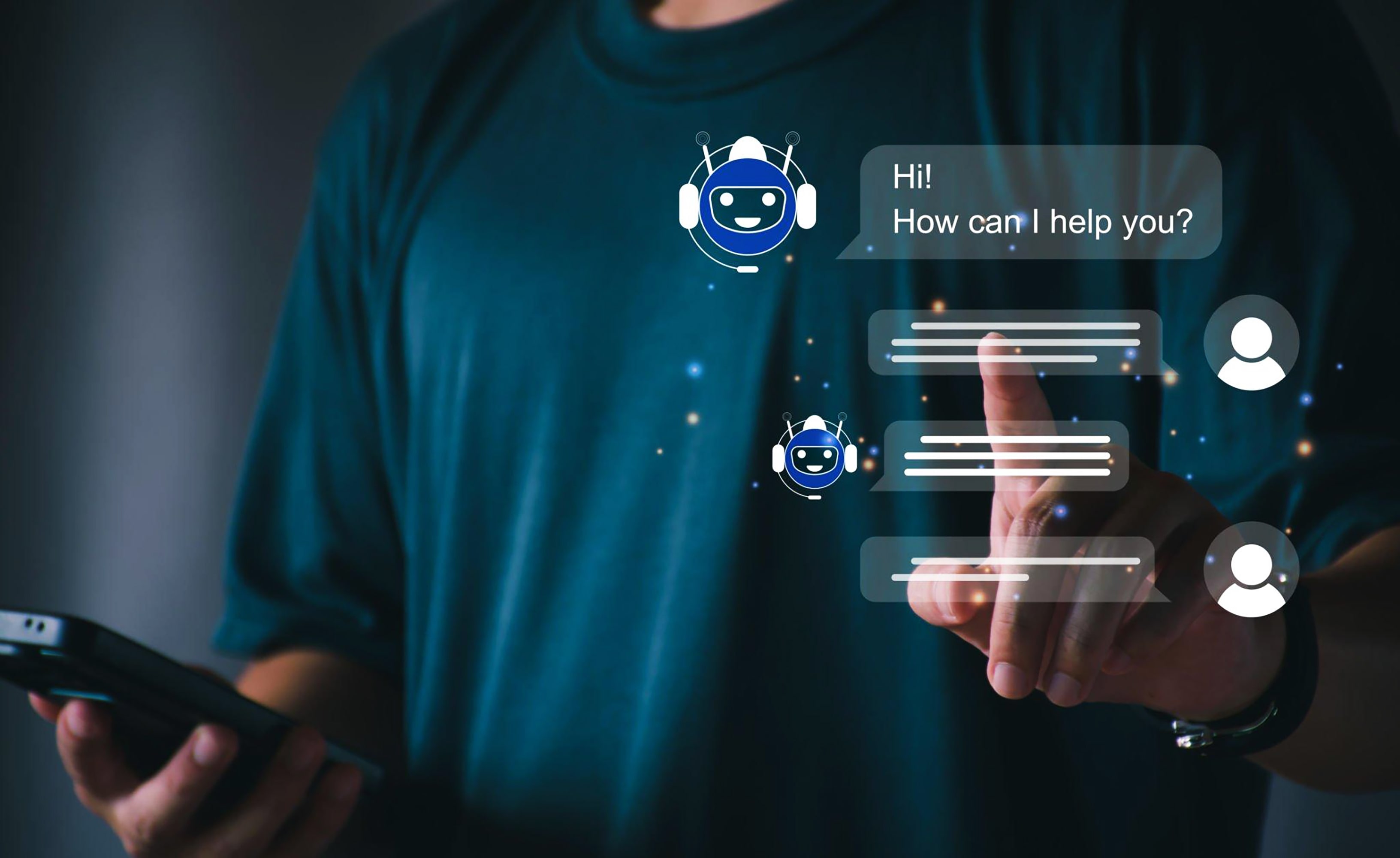
Websites in 2026 will integrate experiences similar to AI chats.
This will directly influence SEO, because user interaction will also feed the models.
Examples:
1. Virtual assistants that answer with data from the website itself.
2. AI-powered internal search engines.
3. Integration of ChatGPT or Gemini APIs to improve UX.
- SEO will no longer be just for external search engines: it will also exist within the website itself.
6. Generative SEO Metrics
New metrics will replace the classic CTR or SERP position.
In 2026, the most relevant ones will be:
1. Citation Rate: how many times an AI mentions or cites your website.
2. Visibility Score: how many generative answers include you.
3. Trust Mentions: how often your brand appears in trusted answers.
- Agencies will need to monitor visibility in conversational engines, not just in Google Search Console.
7. How to Prepare Starting Now
To get your brand ready:
1. Update your web architecture with structured data.
2. Rewrite your content in a conversational tone.
3. Strengthen your digital branding (authority, consistency, mentions).
4. Integrate artificial intelligence into your SEO strategy.
5. Periodically evaluate how generative models describe you.
Conclusion
Optimizing for generative search isn’t just a trend; it’s the future of SEO.
The brands that start speaking the language of AI today will be the ones that dominate digital visibility in 2026. The new SEO isn’t about tricking algorithms, but about teaching artificial intelligence who you are and why you matter.
At BWE Agency, we help brands adapt to the new era of generative search by combining technical SEO, artificial intelligence, and content strategy.
POSTS
THE LATEST

Desarrollo Web
5 Web Development Companies in Cancún
Choosing a web development company in Cancun starts with defining what you need your website to do: showcase a brand, generate inquiries, sell products, or connect services with a more complex operation. This decision makes it easier to compare proposals clearly and find a team capable of handling both the design and technical aspects.
By Rodrigo García
READ ARTICLE

Publicidad
Mexico Real Estate in 2027: The 10 Marketing Essentials for Selling a Development
Where buyer demand comes from, how to approach different markets, and why a development needs much more than a logo.
By Rodrigo García
READ ARTICLE
Marketing
The 10 Best Marketing Agencies in Mexico for 2027: History, Clients, Results, and Awards
Marketing in Mexico is entering a new era. Discover ten agencies that stand out for their track record, creativity, client portfolios, innovation capabilities, and results as we look ahead to 2027.
By Rodrigo García
READ ARTICLE