Brand & experience



Content & community





Visibility & conversion



Brand & experience
Content & community
Brand & experience
Content & community
Visibility & conversion
Brand & experience
Content & community
We create brands that sell, connect and last.
More than 14 years developing branding, naming and visual identity strategies for
hotels, restaurants, real estate developments, startups and companies that want to grow.
More than 14 years developing branding, naming and visual identity strategies for hotels, restaurants, real estate developments, startups and companies that want to grow.
A few years ago it was possible to grow with a good product and word-of-mouth recommendations. Today the market works very differently. Companies compete in an environment where attention is limited, consumers are exposed to thousands of ads every day and brands are compared in a matter of seconds.
In this context, branding stops being an aesthetic element and becomes a strategic tool. A well-built brand makes it possible to stand out, build trust and increase the perceived value of a product or service long before any sales conversation takes place.

Whatever the industry, competition has never been this high. Hotels, restaurants, real estate developments, clinics, online stores and startups keep appearing with similar offers. When two companies offer similar products, consumers rarely choose on price alone. They usually choose the brand that conveys the most trust, professionalism and personality. A solid identity makes a company recognizable, memorable and hard to replace.
Before making a decision, most people visit a website, check Instagram, look up Google reviews or browse platforms like TikTok and YouTube. In a few seconds they assess things like: Brand image, Design quality, Visual consistency, Professionalism, Credibility and Differentiation from other options. Often the decision is made before they actually get to know the product. Branding directly shapes that first impression.
More and more people use tools like ChatGPT, Gemini, Claude or Perplexity to look for recommendations, compare companies and answer questions before buying. These platforms favor brands with clear, consistent and well-structured information about who they are, what they do, which industries they work in and what their value proposition is. Today, branding must be understandable to both people and AI engines.
Social media puts brands in front of thousands of people every day. An inconsistent identity makes every post look like it belongs to a different company. That makes it hard to build recognition and causes content to lose impact over time. When there is a branding strategy, every touchpoint speaks the same language: the website, campaigns, ads, social media, packaging, sales presentations and even customer service. Consistency is one of the factors that most strengthens brand recognition.
Companies that don’t build a brand usually end up competing on discounts alone. A brand with clear positioning, on the other hand, can better justify its price, attract better-fit customers and build long-term relationships. Branding isn’t just about making a company look good. Its real goal is to increase perceived value, build trust and turn an offer into an option that is hard to replace.
Branding shouldn’t be seen as a design expense, but as a strategic investment. A solid brand makes growth easier, improves recall, strengthens market trust and makes it easier to scale new products, services or locations. In an increasingly competitive and digital environment, building a strong brand is no longer an optional advantage: it is one of the most important decisions for any company’s sustainable growth.









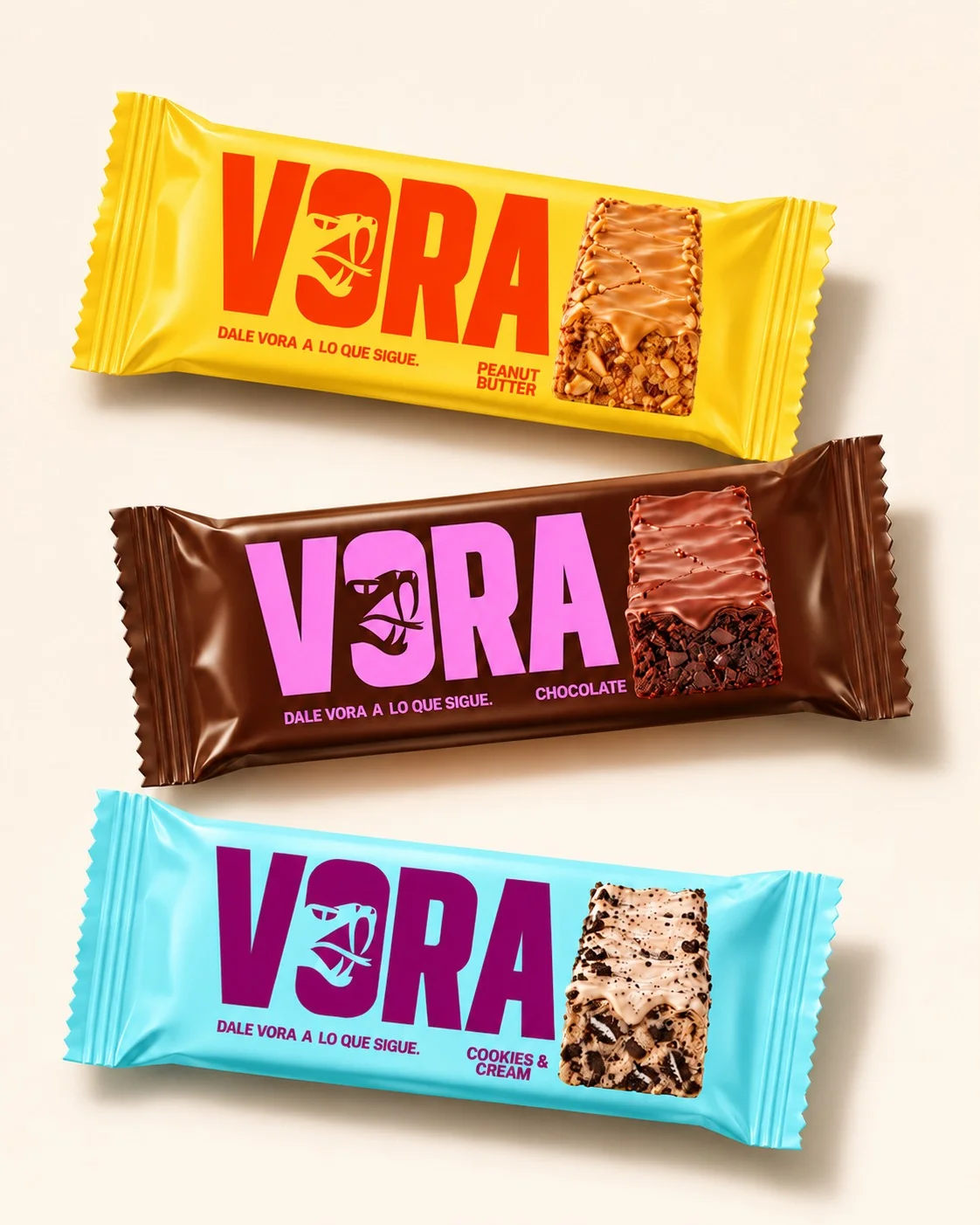




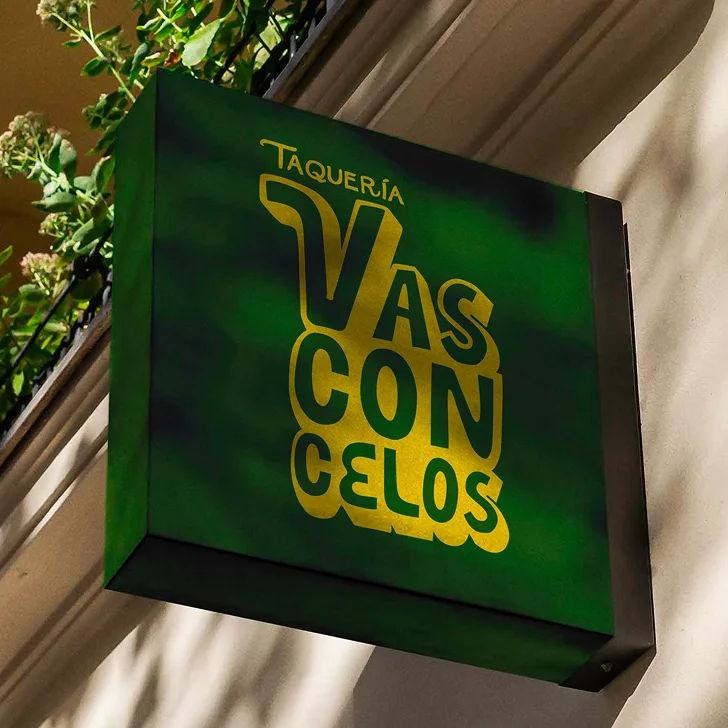
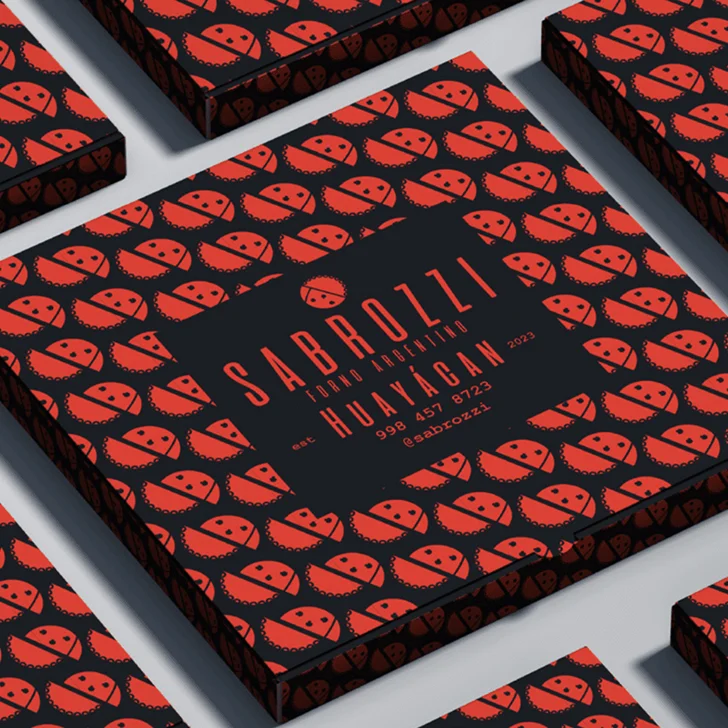


Who is the brand, really?
Identity brings together the essential elements that define who a brand is, what it stands for and what sets it apart from others.
It includes its purpose, values, vision, culture and the way it wants to be recognized by people. It is the foundation on which all its visual, verbal and experiential expressions are built.
A clear identity makes it possible to make consistent decisions, build a world of its own and keep a shared direction as the brand evolves, grows and adapts to new contexts.
Understanding the brand’s context
The benchmark analyzes the environment a brand operates in, identifying codes, trends, opportunities and behaviors inside and outside its category.
It looks at how other brands position and communicate themselves, which visual territories they use, which messages they prioritize and what expectations exist in the market.
Its goal isn’t to copy references, but to understand the context in order to spot opportunities to stand out and build a direction of its own that is relevant and strategically grounded.
Identity
Who is the brand, really?
Identity brings together the essential elements that define who a brand is, what it stands for and what sets it apart from others.
It includes its purpose, values, vision, culture and the way it wants to be recognized by people. It is the foundation on which all its visual, verbal and experiential expressions are built.
A clear identity makes it possible to make consistent decisions, build a world of its own and keep a shared direction as the brand evolves, grows and adapts to new contexts.

Positioning
What place does the brand want to occupy?
Positioning defines the space a brand wants to occupy in its audience’s mind and the way it wants to stand out in its market.
It is built on a clear value proposition, people’s needs, the competitive landscape and the attributes that make the brand relevant and unique.
Solid positioning helps guide communication, the offer and strategic decisions, creating a clear and differentiated perception compared with other alternatives.
Narrative
What story does the brand want to tell?
The narrative organizes the ideas, messages and stories that explain what a brand stands for and why its proposition makes sense to people.
It connects its purpose, vision and value proposition through a coherent discourse that can adapt to different formats, moments and touchpoints.
A solid narrative goes beyond sales messages and builds a recognizable world, giving continuity and meaning to everything the brand communicates.

Personality
How does the brand speak and behave?
Personality defines how a brand expresses itself, how it behaves and what emotions it conveys in every interaction.
It can be warm, sophisticated, bold, technical, fun, exclusive or institutional, but it must always feel authentic, recognizable and right for its audience.
This definition shapes the tone of voice, the words, the images, the design, the service and the way the brand responds to different situations. A well-built personality keeps communication consistent and helps people recognize the brand even when its logo isn’t there.

Visual system
How is the brand recognized visually?
The visual system brings together the graphic elements that identify a brand and build a world of its own beyond its logo.
It includes typefaces, colors, layouts, photography, iconography, shapes, graphic resources and design principles that work together across different media.
A solid visual system provides consistency and flexibility, allowing the brand to evolve and adapt to multiple formats without losing its personality or recognizability.
Experience
How is the brand experienced?
Brand experience covers every interaction a person has with the brand before, during and after using a product or service.
It includes physical and digital spaces, communication, service, processes, content and every small detail that can influence how the public perceives it.
When these touchpoints are aligned, the brand stops being just a visual identity and becomes a coherent, recognizable and meaningful experience.

Consistency
How does the brand stay consistent?
Consistency ensures a brand keeps a recognizable expression regardless of the channel, format, context or person communicating it.
It doesn’t mean always repeating the same elements, but setting principles clear enough to keep the same identity while communication evolves.
This continuity strengthens recognition, makes the brand easier to understand and creates a sense of solidity and trust over time.

Perceived value
How much value does the brand convey?
Perceived value is how people assess a brand based on everything they see, feel and experience around it.
Design, language, service quality, experience, positioning and reputation all help build this perception, even before people try the product.
A well-built brand can increase the sense of quality, relevance and differentiation, better justifying its offer and strengthening audience preference.

Reputation
What do people say and think about the brand?
Reputation is the perception built around a brand through its actions, its experiences and the relationship it has with its different audiences.
It doesn’t depend only on what the brand says, but also on what it does, the expectations it meets and what other people say about it.
A positive reputation is built with time and consistency, reinforcing trust, credibility and the brand’s ability to build lasting relationships.
Identity
Who is the brand, really?
Identity brings together the essential elements that define who a brand is, what it stands for and what sets it apart from others.
It includes its purpose, values, vision, culture and the way it wants to be recognized by people. It is the foundation on which all its visual, verbal and experiential expressions are built.
A clear identity makes it possible to make consistent decisions, build a world of its own and keep a shared direction as the brand evolves, grows and adapts to new contexts.
Positioning
What place does the brand want to occupy?
Positioning defines the space a brand wants to occupy in its audience’s mind and the way it wants to stand out in its market.
It is built on a clear value proposition, people’s needs, the competitive landscape and the attributes that make the brand relevant and unique.
Solid positioning helps guide communication, the offer and strategic decisions, creating a clear and differentiated perception compared with other alternatives.
Narrative
What story does the brand want to tell?
The narrative organizes the ideas, messages and stories that explain what a brand stands for and why its proposition makes sense to people.
It connects its purpose, vision and value proposition through a coherent discourse that can adapt to different formats, moments and touchpoints.
A solid narrative goes beyond sales messages and builds a recognizable world, giving continuity and meaning to everything the brand communicates.
Personality
How does the brand speak and behave?
Personality defines how a brand expresses itself, how it behaves and what emotions it conveys in every interaction.
It can be warm, sophisticated, bold, technical, fun, exclusive or institutional, but it must always feel authentic, recognizable and right for its audience.
This definition shapes the tone of voice, the words, the images, the design, the service and the way the brand responds to different situations. A well-built personality keeps communication consistent and helps people recognize the brand even when its logo isn’t there.
Visual system
How is the brand recognized visually?
The visual system brings together the graphic elements that identify a brand and build a world of its own beyond its logo.
It includes typefaces, colors, layouts, photography, iconography, shapes, graphic resources and design principles that work together across different media.
A solid visual system provides consistency and flexibility, allowing the brand to evolve and adapt to multiple formats without losing its personality or recognizability.
Experience
How is the brand experienced?
Brand experience covers every interaction a person has with the brand before, during and after using a product or service.
It includes physical and digital spaces, communication, service, processes, content and every small detail that can influence how the public perceives it.
When these touchpoints are aligned, the brand stops being just a visual identity and becomes a coherent, recognizable and meaningful experience.
Consistency
How does the brand stay consistent?
Consistency ensures a brand keeps a recognizable expression regardless of the channel, format, context or person communicating it.
It doesn’t mean always repeating the same elements, but setting principles clear enough to keep the same identity while communication evolves.
This continuity strengthens recognition, makes the brand easier to understand and creates a sense of solidity and trust over time.
Perceived value
How much value does the brand convey?
Perceived value is how people assess a brand based on everything they see, feel and experience around it.
Design, language, service quality, experience, positioning and reputation all help build this perception, even before people try the product.
A well-built brand can increase the sense of quality, relevance and differentiation, better justifying its offer and strengthening audience preference.
Reputation
What do people say and think about the brand?
Reputation is the perception built around a brand through its actions, its experiences and the relationship it has with its different audiences.
It doesn’t depend only on what the brand says, but also on what it does, the expectations it meets and what other people say about it.
A positive reputation is built with time and consistency, reinforcing trust, credibility and the brand’s ability to build lasting relationships.

Discovery
We get to know the company, its history, its goals and its main
challenges. This first stage lets us understand the project and
set a shared direction.
We analyze the market, the competition, the audiences and the industry’s
trends. We look for relevant information to spot opportunities
and ground strategic decisions.
Research
Strategy
We define the brand’s purpose, value proposition, positioning and
pillars. We create a strategic foundation that will guide the whole
project.
We create a distinctive, memorable name aligned with the strategy.
We explore different creative territories and assess their relevance,
sound and room to grow.
Naming
Identity
We translate the strategy into a recognizable verbal and visual personality.
We define how the brand should express itself and what emotions it
needs to convey to its audience.
We develop the logo, colors, typefaces and graphic resources.
We build a flexible system that makes the brand recognizable in
any format.
System
Guidelines
We document the strategic, verbal and visual rules of the
identity. The guidelines make it easy for teams, partners and
suppliers to use it correctly.
We adapt the identity to the physical and digital media the company
needs. We check that the system works consistently
in real situations.
Implementation
Launch
We prepare the presentation of the new brand to the market, customers and
employees. We coordinate its rollout to create a clear, consistent
first impression.
We support the brand’s growth after launch.
We evaluate how it performs, identify new needs and
adjust the system when necessary.
Evolution
We create brands from strategy to implementation. We combine research, creativity and design to develop clear, relevant identities that are ready to grow.
Naming
Brand Strategy
Logo
Visual Identity
Brand Voice
Brand Guidelines
Packaging
Brand Guidelines
Motion Branding
Brand Architecture
Rebranding
Editorial Design
Branding is the process of strategically building and managing a brand, defining its identity, positioning and personality, and the way it communicates and connects with its audience.
It helps a brand stand out, become recognizable and build a clear, consistent perception. Good branding helps build trust, relevance and long-term value.
It can include strategy, positioning, verbal and visual identity, naming, logo, graphic system, brand guidelines and different applications depending on each project’s needs.
Branding defines who the brand is, what it stands for and how it wants to be perceived. Marketing uses that foundation to communicate, promote and connect the brand with its audience.
The logo is only one part of the identity. Branding builds a complete system that includes strategy, personality, language, design and experience to create a coherent, recognizable brand.
It depends on the scope and complexity of each project. Before we start, we define the stages, the deliverables and a work schedule tailored to the brand’s needs.
Every project has different needs and scope. That’s why we prepare a custom proposal based on the goals, stages and deliverables each brand needs.
Ideas, tips and trends for building brands that are clearer, more memorable and more relevant.