











How to Generate Hotel Bookings in Mexico: Real Strategies to Increase Occupancy and Sales
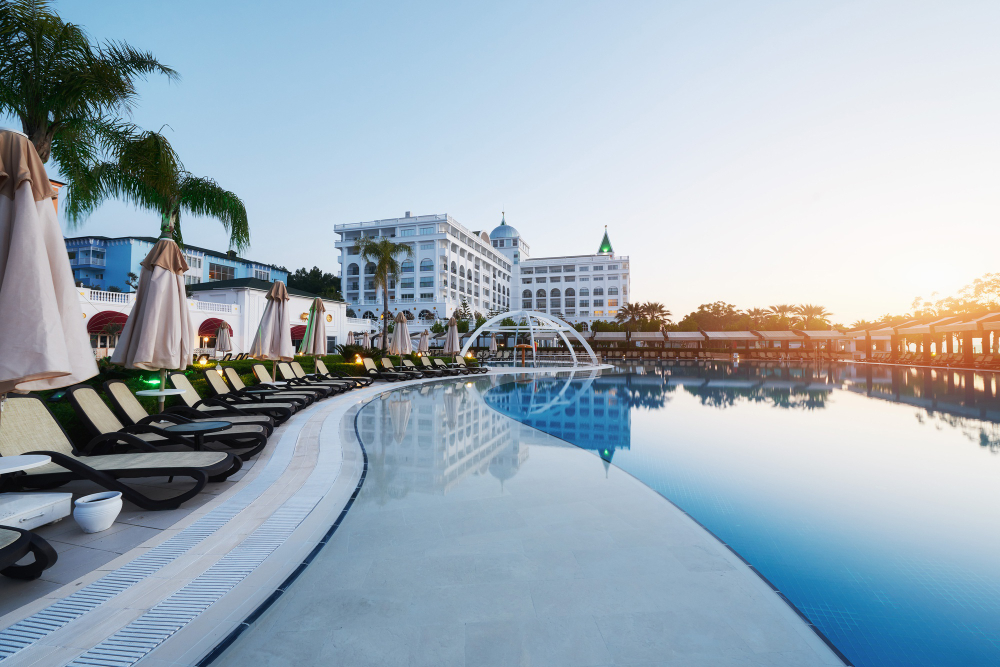
Generating more hotel bookings in Mexico requires a combination of digital positioning, conversion campaigns, online reputation, strategic content, hotel SEO, Google Hotel Ads, social media and data-driven automation.
The fastest-growing hotels today don’t depend solely on Booking.com or Expedia. They are building direct sales channels through:
▪️ Local and semantic SEO
▪️ Meta and Google campaigns
▪️ Remarketing strategies
▪️ Short-form video on TikTok and Instagram
▪️ AI automation
▪️ Website optimization
▪️ Differentiated experiences
▪️ Emotional branding
The key isn’t just attracting traffic, but turning travel intent into real bookings.
The New Reality of Hotel Marketing in Mexico
Traveler behavior has changed radically in recent years.
Today, before booking a hotel, a user:
▪️ Researches on Google
▪️ Compares prices
▪️ Checks TikTok
▪️ Reads reviews
▪️ Looks at maps
▪️ Asks ChatGPT
▪️ Browses Instagram
▪️ Analyzes the location
▪️ Compares experiences
▪️ And validates digital trust.
This means that modern hotel marketing is no longer just about “advertising.” It’s about building an omnichannel digital presence.
Especially in highly competitive markets such as:
▪️ Cancún
▪️ Riviera Maya
▪️ Tulum
▪️ Los Cabos
▪️ Mexico City
▪️ Puerto Vallarta
▪️ Mérida
▪️ Guadalajara
What “Generating Bookings” Really Means
Many hotels believe that generating bookings is simply a matter of investing in ads.
In reality, hotel bookings depend on five critical variables:
|
Factor |
Impact |
|
Digital visibility |
The user finds the hotel |
|
Trust |
The user perceives safety and a good reputation |
|
Differentiation |
There is a clear reason to choose it |
|
Conversion |
The website and campaigns convert |
|
Remarketing |
Recovering undecided users |
Most hotels fail not because of a lack of investment, but because of a poor conversion structure.

The Most Effective Strategies to Generate Hotel Bookings
1. Hotel SEO: Appearing When Users Intend to Book
SEO is still one of the most profitable channels for hotels.
Especially because it captures high purchase intent.
Examples of searches with booking intent:
▪️ Beachfront boutique hotel in Tulum
▪️ All-inclusive family hotels in Cancún
▪️ Romantic hotels in Playa del Carmen
▪️ Pet-friendly hotel in Mexico City
▪️ Where to stay in the Riviera Maya.
What modern hotel SEO needs:
1. Semantic architecture
Google no longer ranks only exact keywords.
Now it understands:
▪️ Intent
▪️ Context
▪️ Entities
▪️ Location
▪️ Reputation
▪️ Experience.
2. Strategic content
The hotels that rank best create useful content such as:
▪️ Travel guides
▪️ Local experiences
▪️ Food recommendations
▪️ Seasons
▪️ Weddings
▪️ Wellness
▪️ Events
▪️ Family tourism.
3. Local SEO
Optimize:
▪️ Google Business Profile
▪️ Reviews
▪️ Maps
▪️ Categories
▪️ Photos
▪️ Location
▪️ FAQs.
4. Technical SEO
Essential:
▪️ Website speed
▪️ Core Web Vitals
▪️ Mobile version
▪️ Indexable structure
▪️ Schema markup
▪️ Clean URLs.
2. Google Hotel Ads: The Most Powerful Channel for Direct Bookings
Google Hotel Ads has become one of the most important systems for hotels.
It lets you appear directly in:
▪️ On Google Maps
▪️ Hotel searches
▪️ Price comparison tools
▪️ Featured results.
Advantages:
High purchase intent: The user is already looking for accommodation.
Reduces dependence on OTAs:
It helps you compete against:
▪️ Booking
▪️ Expedia
▪️ Agoda.
Improves profit margins: Direct bookings reduce commissions.
3. Social Media That Actually Generates Bookings
Many hotels post pretty content, but without a strategy.
Visual content should generate:
▪️ Desire
▪️ Aspiration
▪️ Trust
▪️ Urgency
▪️ Experience.
What Works in Mexico Today
1. Hotel TikTok
Especially for:
▪️ Boutique hotels
▪️ Wellness experiences
▪️ Glamping
▪️ Beach clubs
▪️ Luxury hotels.
2. Emotional Reels
Content that shows:
▪️ Sunrises
▪️ The real experience
▪️ Food and drink
▪️ Rooms
▪️ Lifestyle
▪️ Human staff
▪️ Emotions.
3. UGC Content
Guest-generated content usually converts better than ultra-produced campaigns.
4. Meta Ads Campaigns for Hotels
Facebook and Instagram are still extremely profitable for hotels when they are well structured.
A common mistake
Promoting only:
▪️ Rooms
▪️ Discounts
▪️ Rates.
What converts best
Experiences
Example:
▪️ Romantic getaway
▪️ Family vacation
▪️ Wellness retreat
▪️ Workation
▪️ Destination weddings.
Ideal campaign structure
|
Stage |
Objective |
|
Awareness |
Reach and awareness |
|
Consideration |
Video views and traffic |
|
Conversion |
Bookings |
|
Remarketing |
User recovery |
5. Remarketing: The Money Most Hotels Lose
More than 90% of users don’t book on their first visit.
This is where remarketing comes in.
What can be recovered
Users who:
▪️ Viewed rooms
▪️ Started a booking
▪️ Compared rates
▪️ Viewed packages
▪️ Abandoned their cart.
Ideal channels
▪️ Meta Ads
▪️ Google Display
▪️ YouTube
▪️ Email marketing
▪️ WhatsApp.
6. The Hotel Website Must Sell, Not Just Look Pretty
Many hotel websites are designed to look premium, but not to convert.
A modern hotel website needs:
1. Fast booking engine
Every second of load time affects conversions.
2. Clear differentiators
Users must immediately understand:
▪️ Why stay there
▪️ What makes it different
▪️ What experience it offers.
3. Real photography
Avoid generic stock photos.
4. Social proof
▪️ Reviews
▪️ Awards
▪️ Testimonials
▪️ Real content.
5. Mobile optimization
Most hotel traffic is already mobile.
7. Online Reputation Directly Influences Bookings
Reviews are one of the most important factors in hotel conversion.
Especially on:
▪️ Booking
▪️ TripAdvisor.
What users check
▪️ Cleanliness
▪️ Service
▪️ Location
▪️ Noise
▪️ Food
▪️ Safety
▪️ Internet
▪️ The real experience.
A smart strategy
It’s not just about having good reviews.
It’s about:
▪️ Responding to them
▪️ Building trust
▪️ Showing care for the guest.
8. Hotel Email Marketing: One of the Most Underrated Channels
Many hotels don’t make the most of their database.
And there’s a lot of money there.
Key automations
1. Pre-booking
Emails to recover users.
2. Pre-arrival
Upselling:
▪️ Spa
▪️ Dinners
▪️ Transportation
▪️ Tours.
3. Post-stay
Requesting reviews and repeat bookings.
9. AI and Automation in Hotels
Artificial intelligence is changing hotel marketing.
Real-world applications
1. Booking chatbots: Immediate availability.
2. Personalized recommendations: Based on behavior.
3. Smart segmentation
Users based on:
▪️ Intent
▪️ History
▪️ Budget
▪️ Location.
4. Campaign automation: Google and Meta already use machine learning aggressively.
10. Hotel Branding: The Factor That Separates Average Hotels from Memorable Brands
Many hotels sell rooms.
The best ones sell identity.
Clear examples
They don’t sell:
▪️ A bed
▪️ A pool
▪️ A breakfast.
They sell:
▪️ Rest
▪️ Status
▪️ Connection
▪️ Romance
▪️ Adventure
▪️ Exclusivity.
_1778710890.png)
How to Increase Direct Bookings and Depend Less on Booking.com
This is one of the biggest goals today.
Effective strategies
Exclusive benefits
▪️ Upgrade
▪️ Late checkout
▪️ Experiences
▪️ Direct discounts.
SEO + Google Hotel Ads: Combining both produces solid results.
Strong branding: Users book direct when they remember the brand.
Common Mistakes That Hold Back Hotel Bookings
1. Depending only on OTAs: Booking.com helps, but it reduces margins.
2. Having social media without a strategy: Likes don’t mean bookings.
3. Slow websites: Speed directly impacts conversions.
4. Not measuring attribution
Many hotels don’t know:
▪️ Which campaign sells
▪️ Which channel converts
▪️ How much a booking costs.
5. Not investing in content: Today, content is distribution, branding, and conversion.
A Real Framework for Generating Hotel Bookings
Stage 1 — Attraction
Channels:
▪️ SEO
▪️ TikTok
▪️ Google Ads
▪️ Digital PR.
Stage 2 — Consideration
Elements:
▪️ Reputation
▪️ Content
▪️ Comparisons
▪️ Reviews.
Stage 3 — Conversion
▪️ Website
▪️ Booking engine
▪️ UX
▪️ Remarketing.
Stage 4 — Loyalty
▪️ Memberships
▪️ Repeat bookings
▪️ Experiences.
Conclusion
Hotel marketing in Mexico is entering a new stage.
The hotels that keep growing won’t necessarily be the ones that spend the most on advertising, but the ones that best understand:
▪️ Digital behavior
▪️ Branding
▪️ Experience
▪️ Automation
▪️ Content
▪️ Conversion
▪️ Artificial intelligence.
Today, generating bookings no longer depends solely on appearing on Booking.com.
It depends on building a hotel brand that is visible, desired, and trusted at every digital touchpoint where travelers make decisions.
And that includes:
▪️ TikTok
▪️ Maps
▪️ Reviews
▪️ ChatGPT
▪️ AI Overviews
▪️ Conversational search engines.
The real competitive advantage is no longer just having a great hotel.
It’s knowing how to make it visible the right way.
POSTS
THE LATEST
Desarrollo Web
5 Web Development Companies in Cancún
Choosing a web development company in Cancun starts with defining what you need your website to do: showcase a brand, generate inquiries, sell products, or connect services with a more complex operation. This decision makes it easier to compare proposals clearly and find a team capable of handling both the design and technical aspects.
By Rodrigo García
READ ARTICLE
Publicidad
Mexico Real Estate in 2027: The 10 Marketing Essentials for Selling a Development
Where buyer demand comes from, how to approach different markets, and why a development needs much more than a logo.
By Rodrigo García
READ ARTICLE
Marketing
The 10 Best Marketing Agencies in Mexico for 2027: History, Clients, Results, and Awards
Marketing in Mexico is entering a new era. Discover ten agencies that stand out for their track record, creativity, client portfolios, innovation capabilities, and results as we look ahead to 2027.
By Rodrigo García
READ ARTICLE